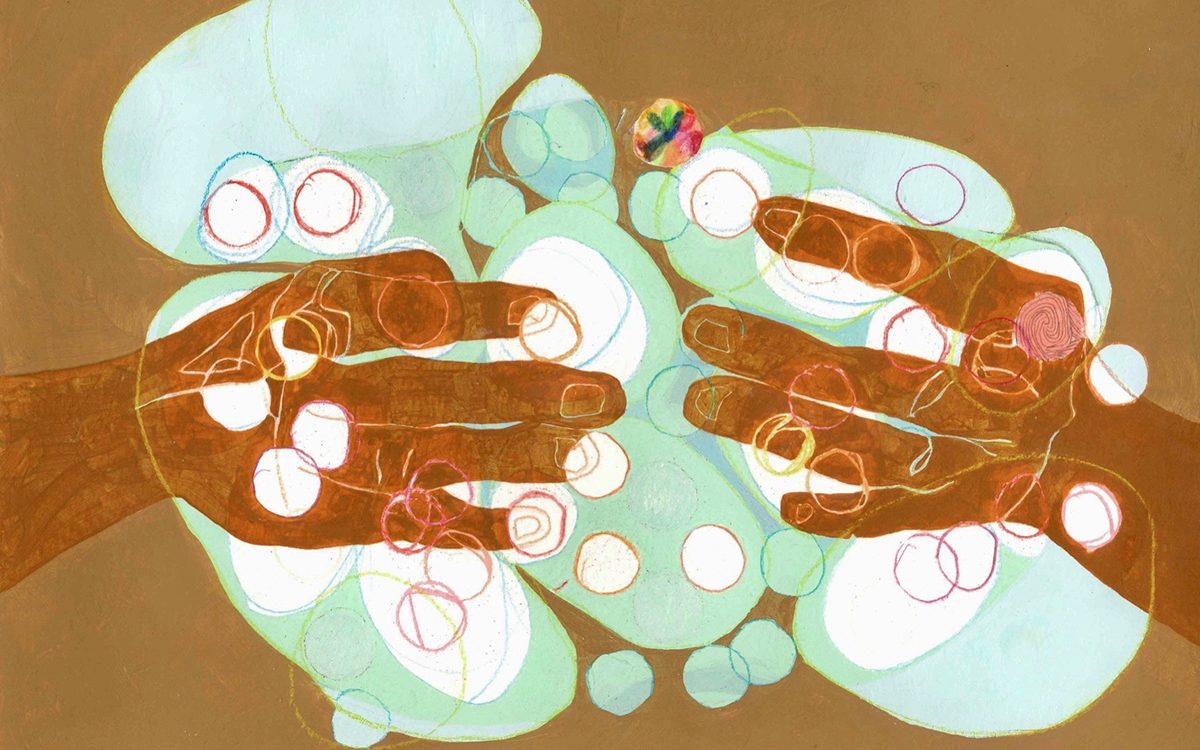
The hands, simply placed, allow the student to rediscover their inner space, full of mobility, and to learn to refuse what gets in the way of natural positions and gestures.
The Alexander Technique is a skill you learn actively. The Alexander Technique aims at allowing the body to find more natural and efficient ways of functioning. Alexander discovered that a certain orientation of the head, neck and back governs the overall coordination of the body and allows us greater ease and efficiency.
In learning to restore this 'primary control' as he called it, mind and body will be engaged in a unified process, so the whole person is led to more beneficial ways of behaving in general.
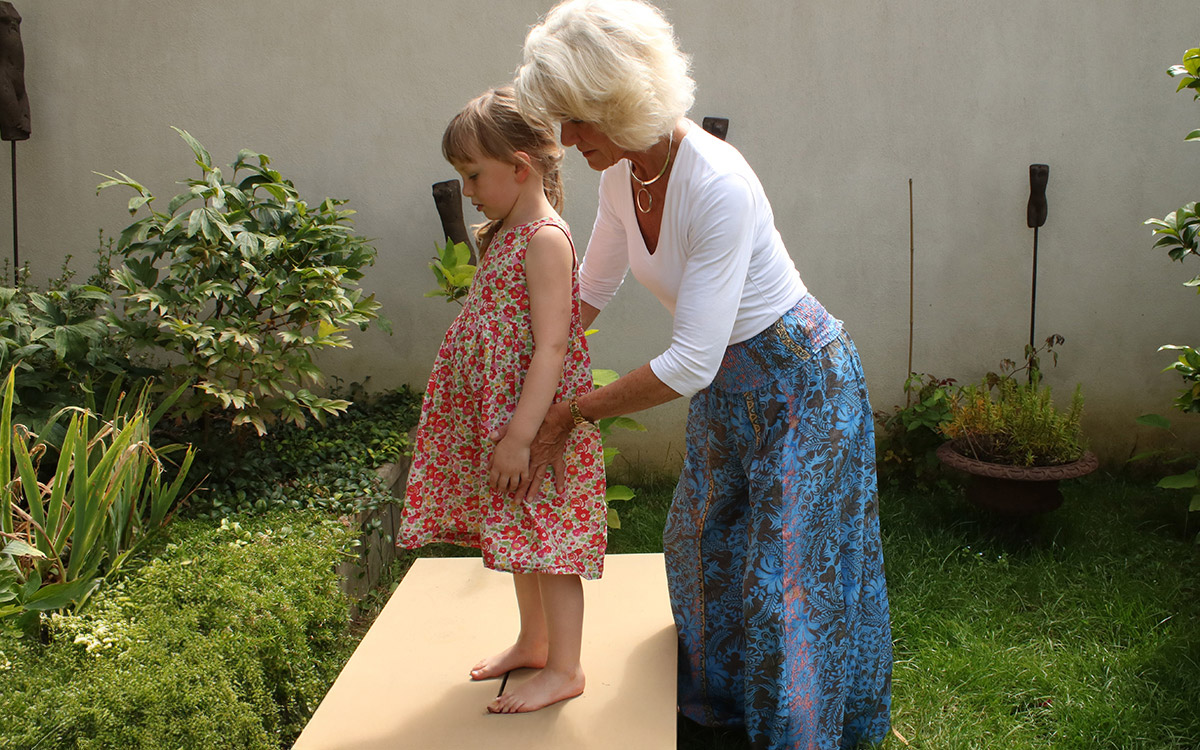
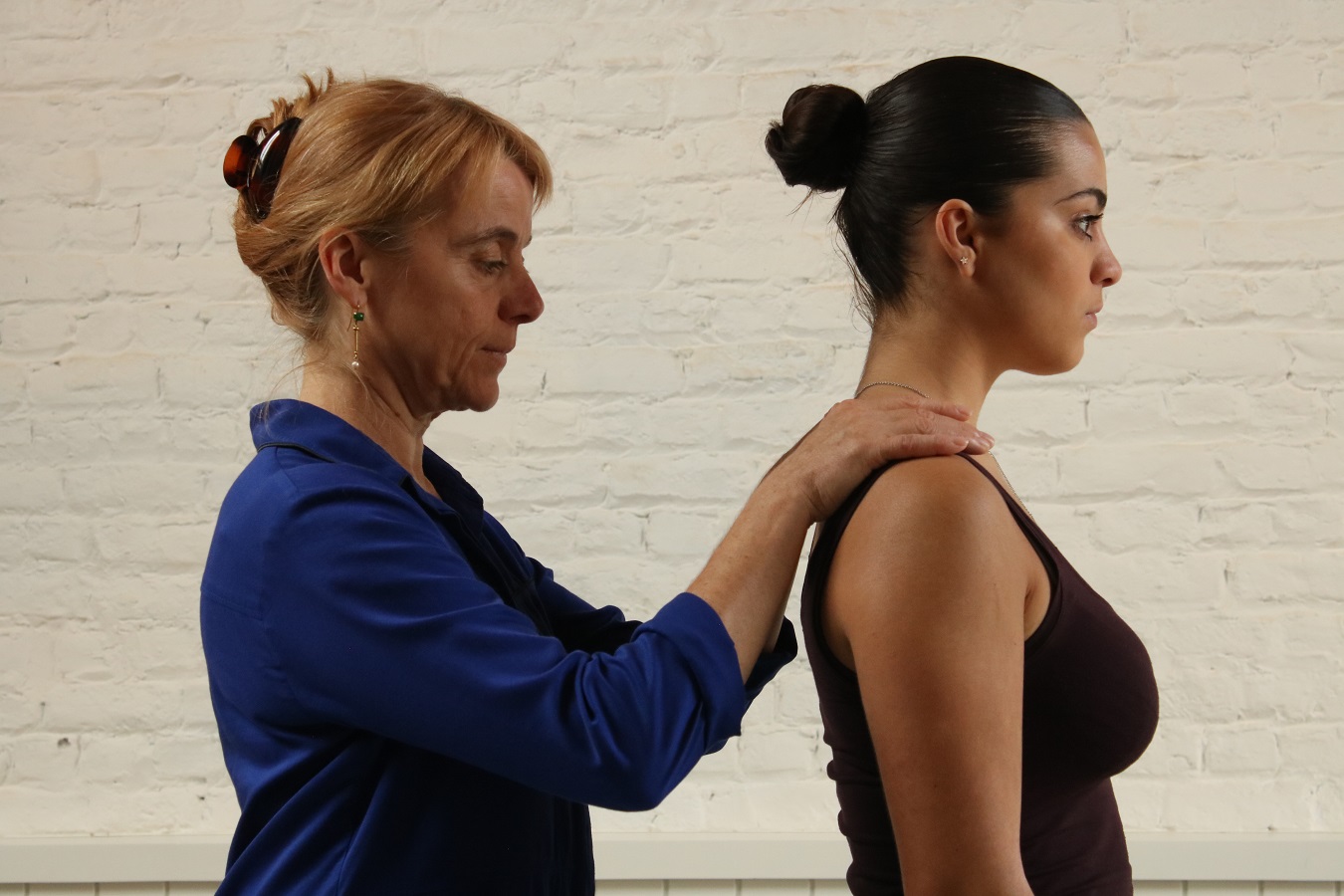
I can stand without immediately trying to lean on something or sit down. I didn't think I had this ability ‘in me’ anymore, even though I was born with it " - Philippe Beumier
Why we need the Alexander Technique?
In early childhood, we learn to balance and manage our movements through trial and error, gradually discovering how to sit, stand, walk, run, jump, dance and so on. Ideally, this natural learning gives us an enviable body freedom.
But as we get older, we will have to face life's increasing complexities, and that easy spontaneity gets lost.
Our response to these challenges will involve various forms of tension both physically and mentally, so that we no longer have the lightness and ease with which we began life. These tensions then become an integral part of ourselves, a permanent and unconscious background to everything we do, feel or think. Alexander called this response a person's ‘use’ and realised the permanent influence it has on their functioning. This ‘use’ we've developed may result in stiffness, pain or anxiety; things in life become laborious; we can't do our daily tasks as easily as we'd like; we may not fulfill our full potential in sport, the arts or at work. As a result, we can lose confidence in ourselves.
Alexander discovered that the way we use ourselves can be redirected through awareness, attention and intentionality. Rather than direct physical intervention, his technique is a training of attention. This attention is directed towards the body and towards our moment-by-moment presence in the environment. This is what enables us to abandon the counter-productive habits that prevent more natural use.